Madang (마당)
29th December 2024
In Korean architecture and cultural practice, "madang" (마당) represents more than just a physical courtyard or open space—it embodies a realm of gathering, transition, and cultural confluence. This single-day exhibition at a Seongsu rooftop brings together works by Kay Yoon and Sebastian Koeck, examining moments of transition while contemplating the poetics of communal space in contemporary urban life.
Koeck's work emerges from his deep engagement with Seoul's layered historical and urban landscape. In his own words: "Discovering the historical and urban landscape of Korea can be very overwhelming for a foreigner. Its turbulent history, paired with the singular economic rise over the past 70ish years created a densely layered amalgam of Buddhist-Christian-Confucianism infused with US-inspired capitalism. This environment awards curiosity like no other as you can find a piece of history at every nook of this city."
His installation combines multiple elements: collected cables trace patterns through the exhibition space, while a commissioned drawing from KT Gallery Drawing School at Anguk Station explores the compelling narrative of Sohn Kee-Chung's Olympic victory. This work examines the story of the "Sad Olympic Gold Medalist" who won the marathon in 1938 and silently protested Japanese occupation, and the Corinthian bronze helmet—now the sole non-Korean national treasure in Seoul's National Museum—that was promised by a German newspaper and eventually presented five decades later.
Yoon's installation engages with material culture through multiple dimensions. Her incorporation of nickel silver (양은) trays references a pivotal era in Korean domestic life. This material, introduced during Korea's late 19th-century opening to the West and the subsequent colonial period, gained prominence during the industrialization of the 1950s-70s. Valued for their durability and lustrous finish, this material became emblematic of both public dining spaces and household routines, particularly in rural communities.
The sculptural arrangement of stacked tables in Yoon's work explores the cultural dialogue between European and Korean dining customs through varying heights. Through different materials and elevations, the work reflects on the material hierarchies present in Korean domestic and ceremonial life, while simultaneously addressing the artist's navigation between distinct cultural dining practices.
In a performative gesture, Yoon serves makgeolli in plastic champagne glasses adorned with naturally dyed hemp ribbons—materials traditionally reserved for funerary garments in Korean culture. This composition transmutes the act of departure into ritual celebration, where the hemp's association with farewell merges with the celebratory connotations of champagne vessels, while makgeolli provides a distinctly Korean element, creating an elegant synthesis of drinking traditions.
The exhibition materializes at intersecting trajectories: Yoon's relocation from Germany to Seoul converges with Koeck's preparation for departure to Vienna after his three-month residence. In this moment of spatial and temporal crossing, their works transform the rooftop into a contemporary madang—where personal narratives interweave with cultural memory, and where arrival and departure coexist in dynamic tension. Their temporary constellation of objects, performances, and narratives embraces the essential quality of madang—a space that exists not merely as a physical location, but as a fluid intersection of presence and memory.
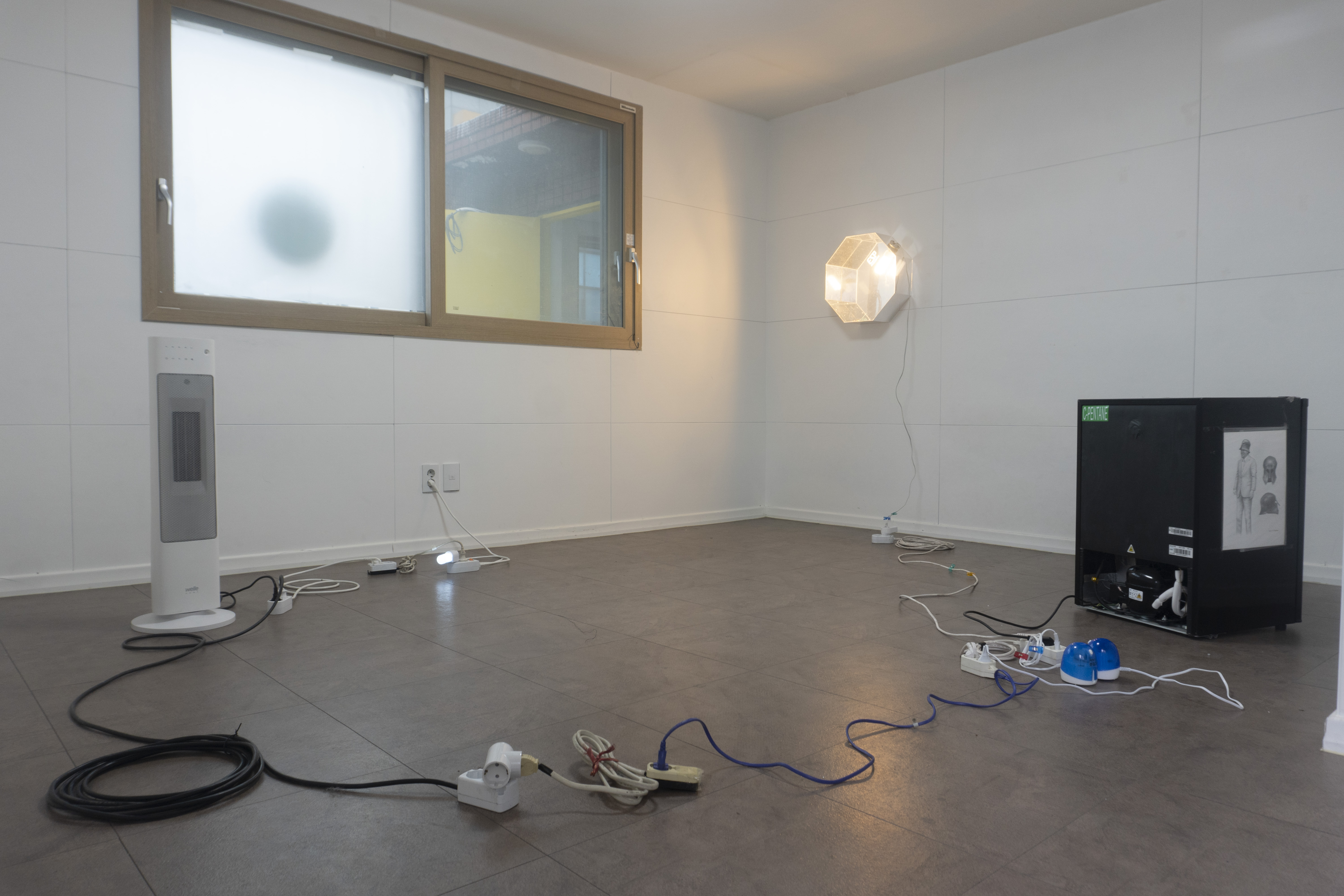
Sebastian Koeck’s <untitled>, 2024, used extension cords, heater, mosquito repellent device, fridge, drawing of Sohn Kee-chung, clips, cable-binder, smart plug, acrylic glass sheets, mirror foil variable dimension
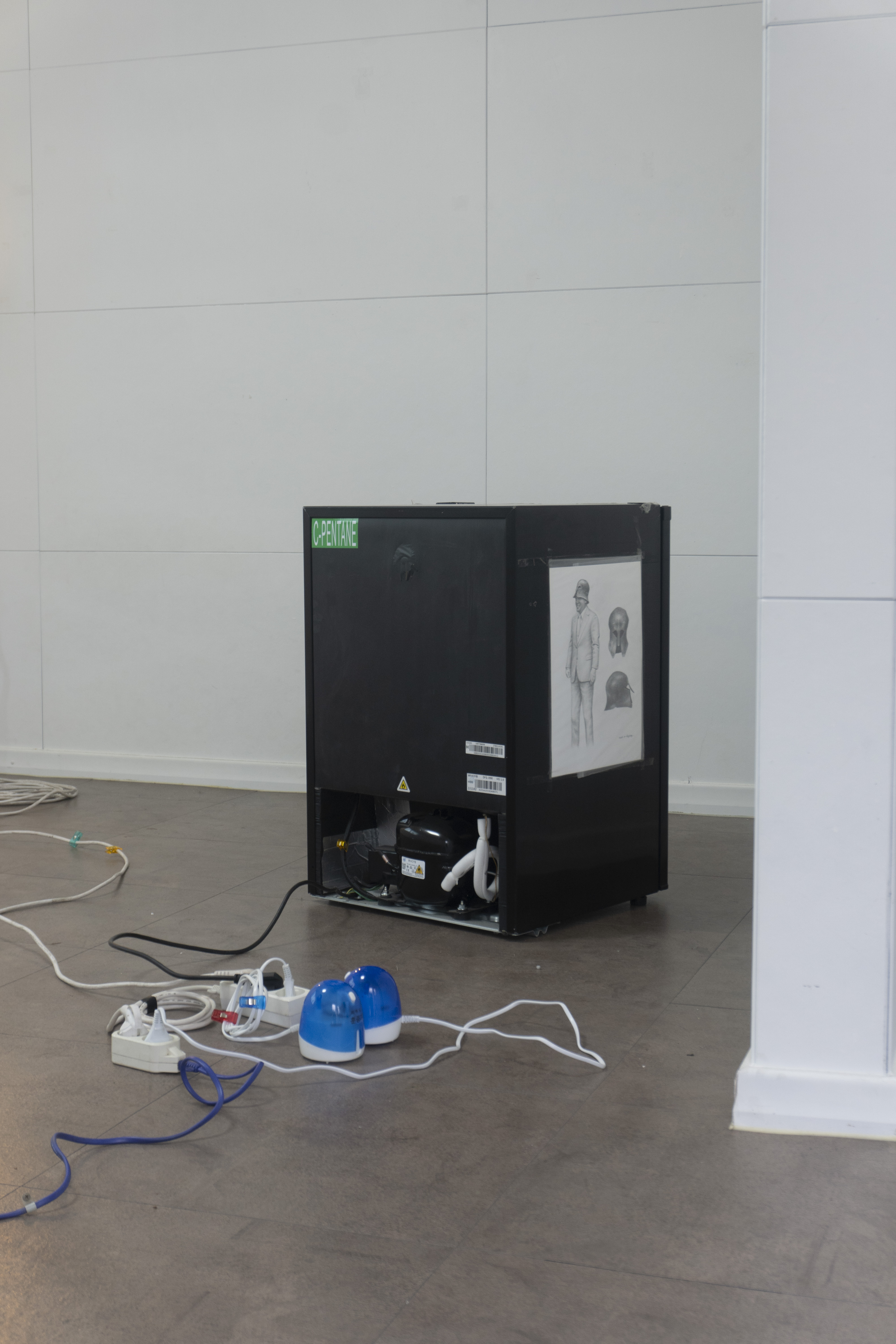
untitled, Sebastian Koeck
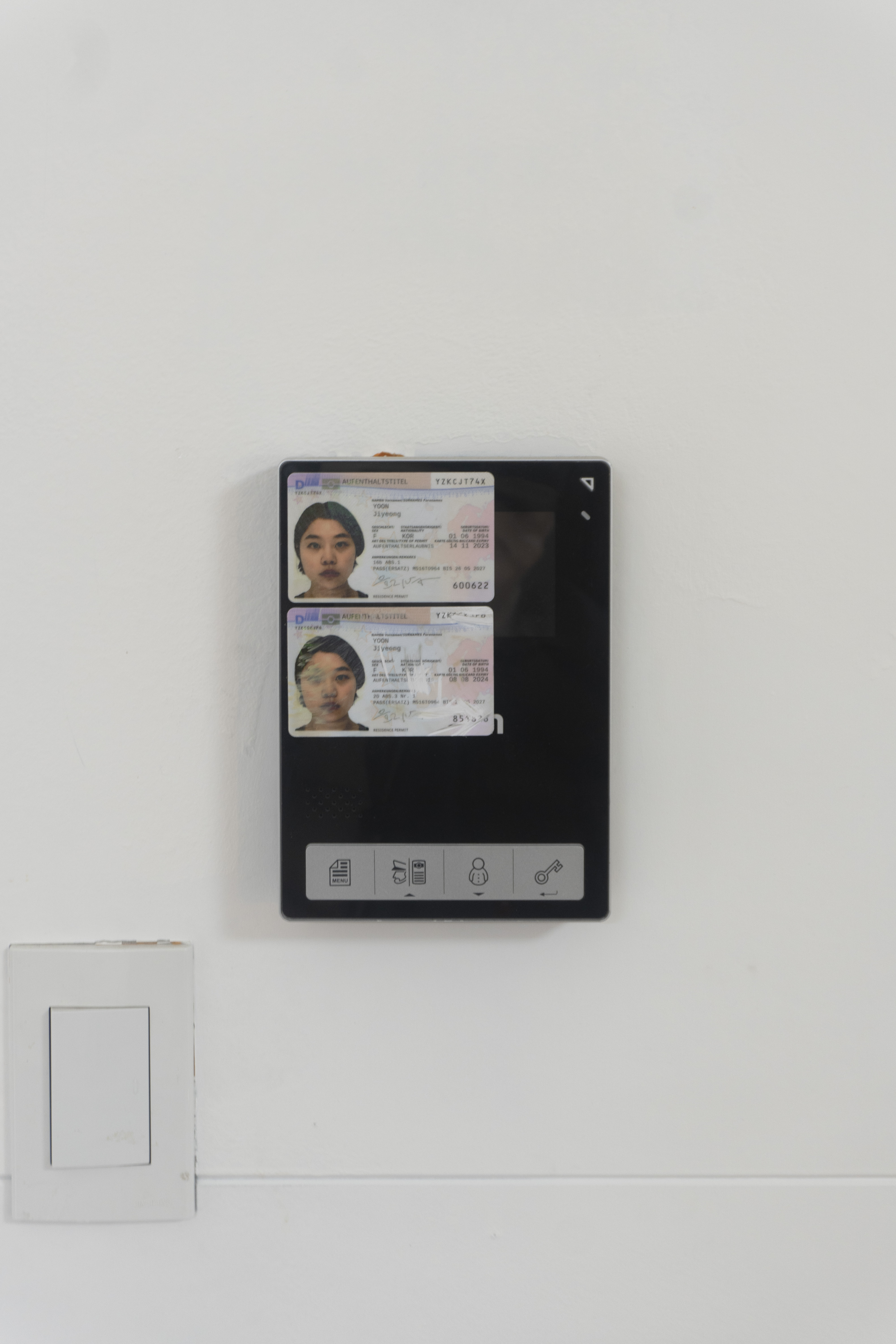
Kay Yoon’s <Ghost>, 2024, two expired German residence permits, 85 x 53 mm
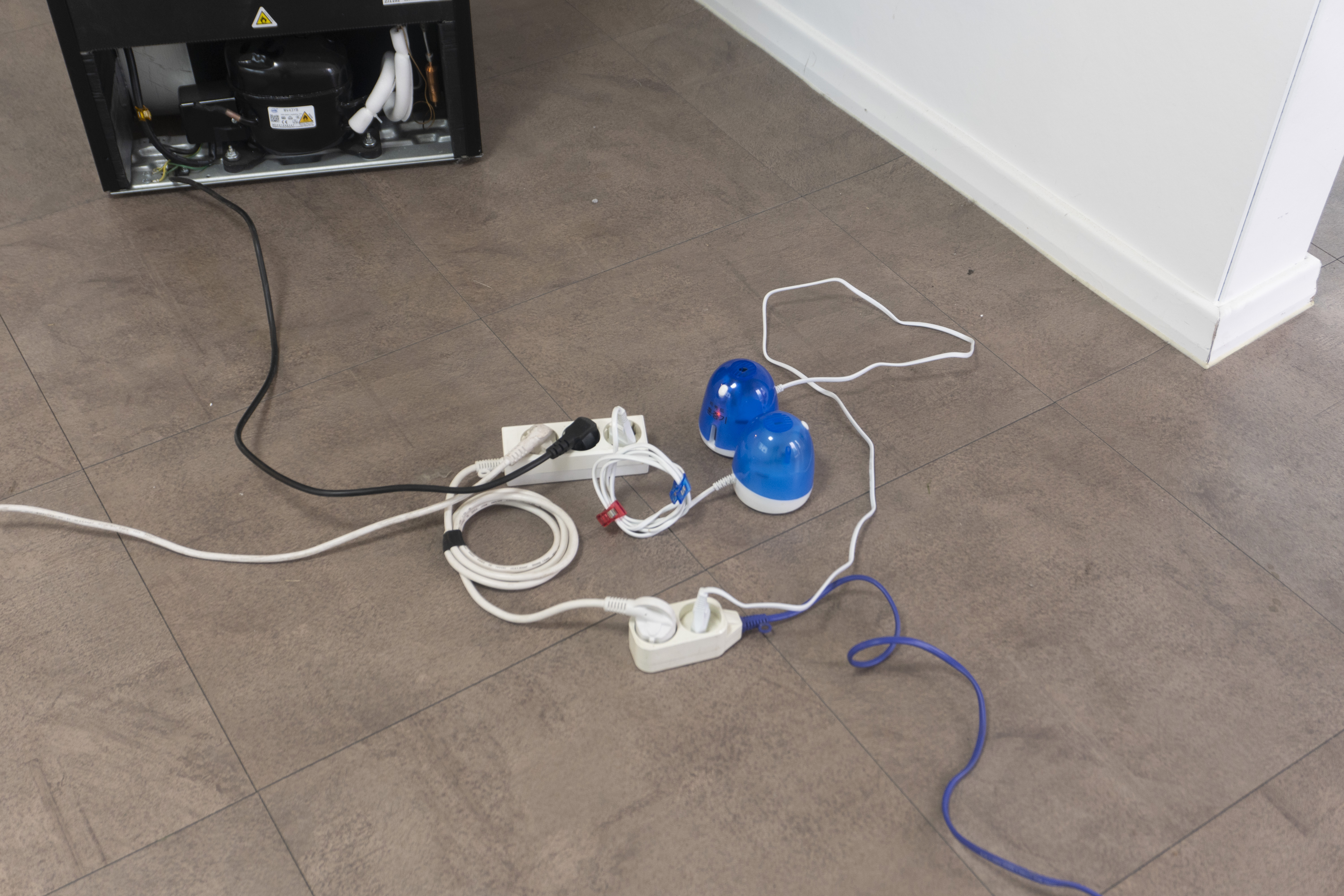
untitled, Sebastian Koeck
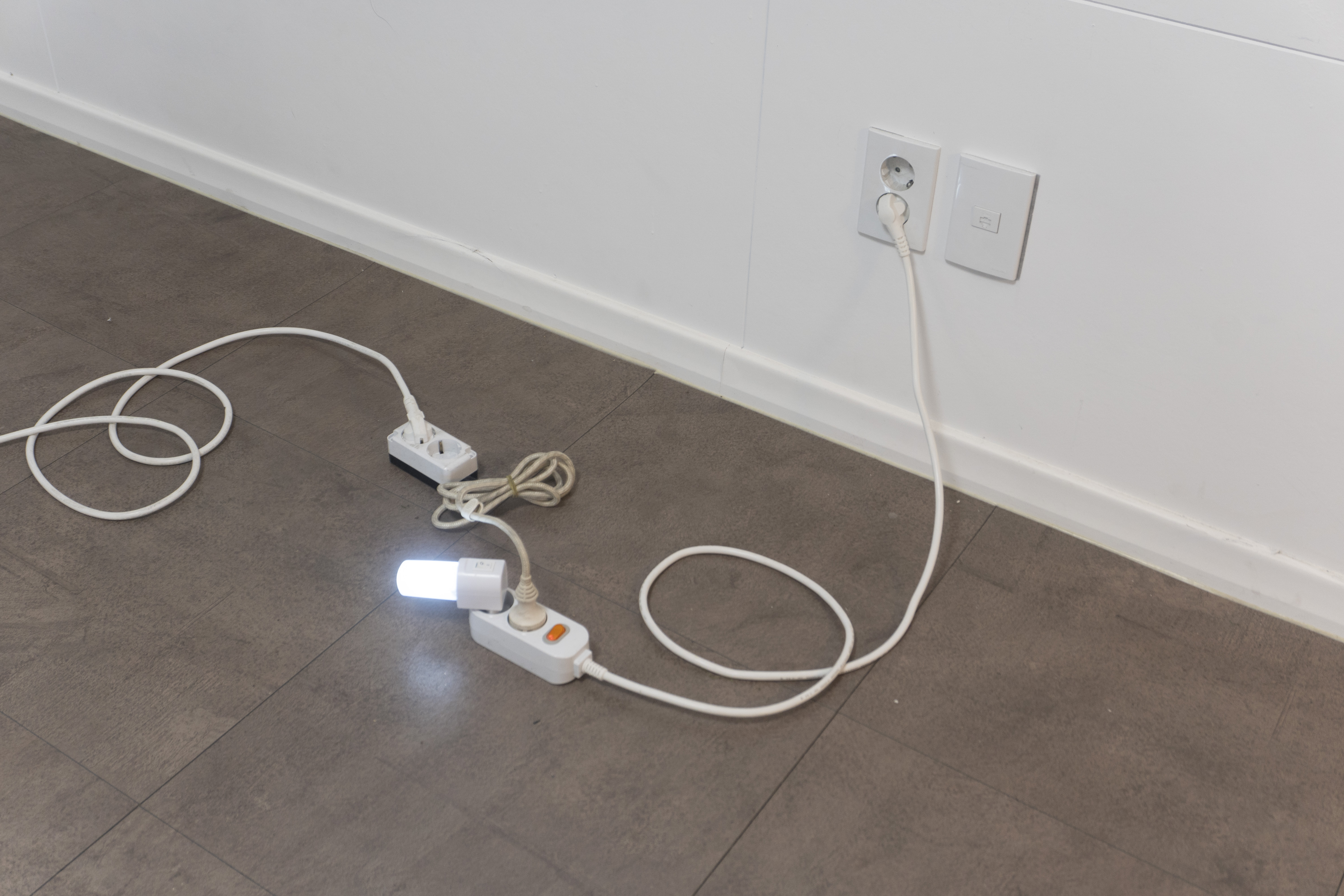
untitled, Sebastian Koeck
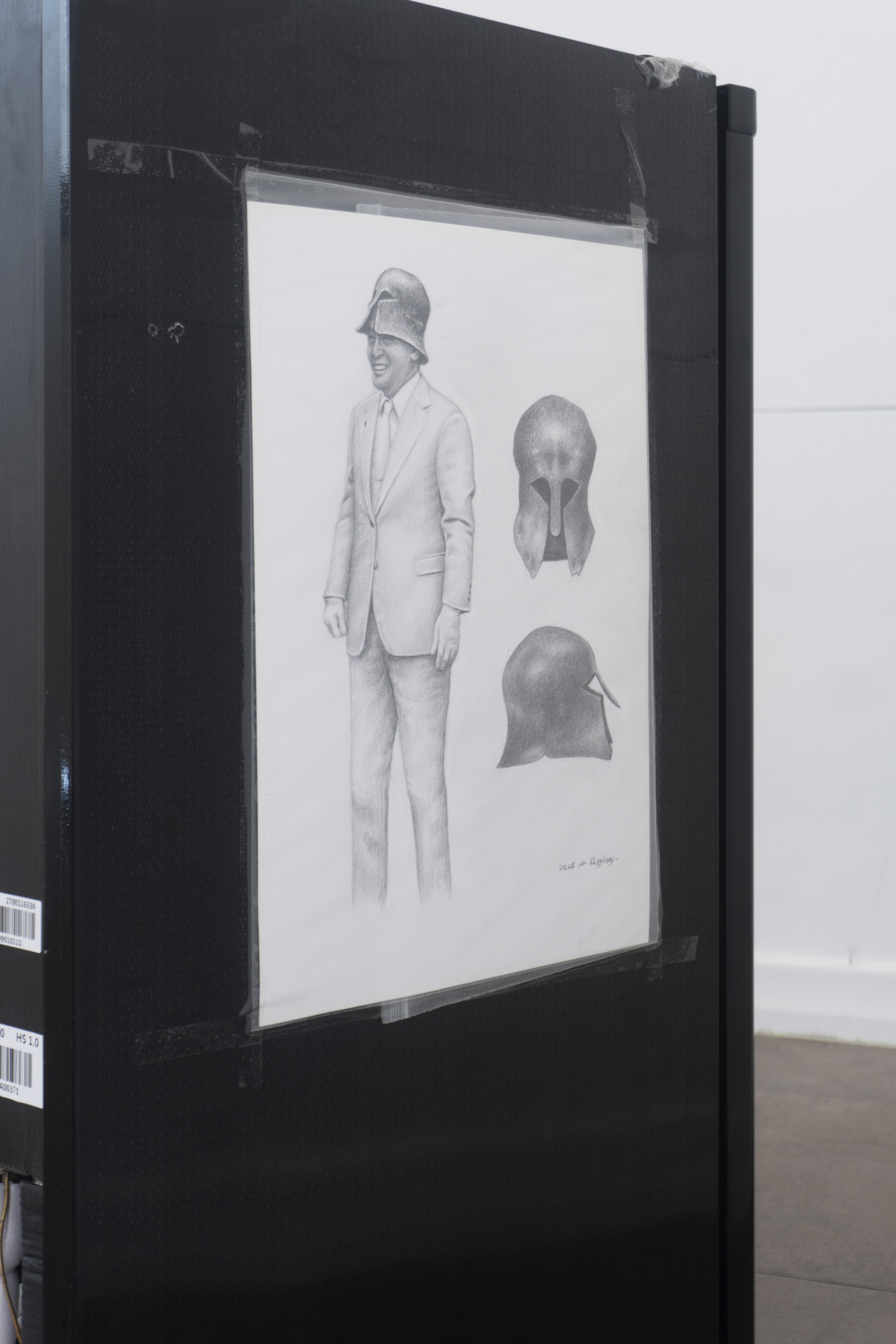
untitled, Sebastian Koeck
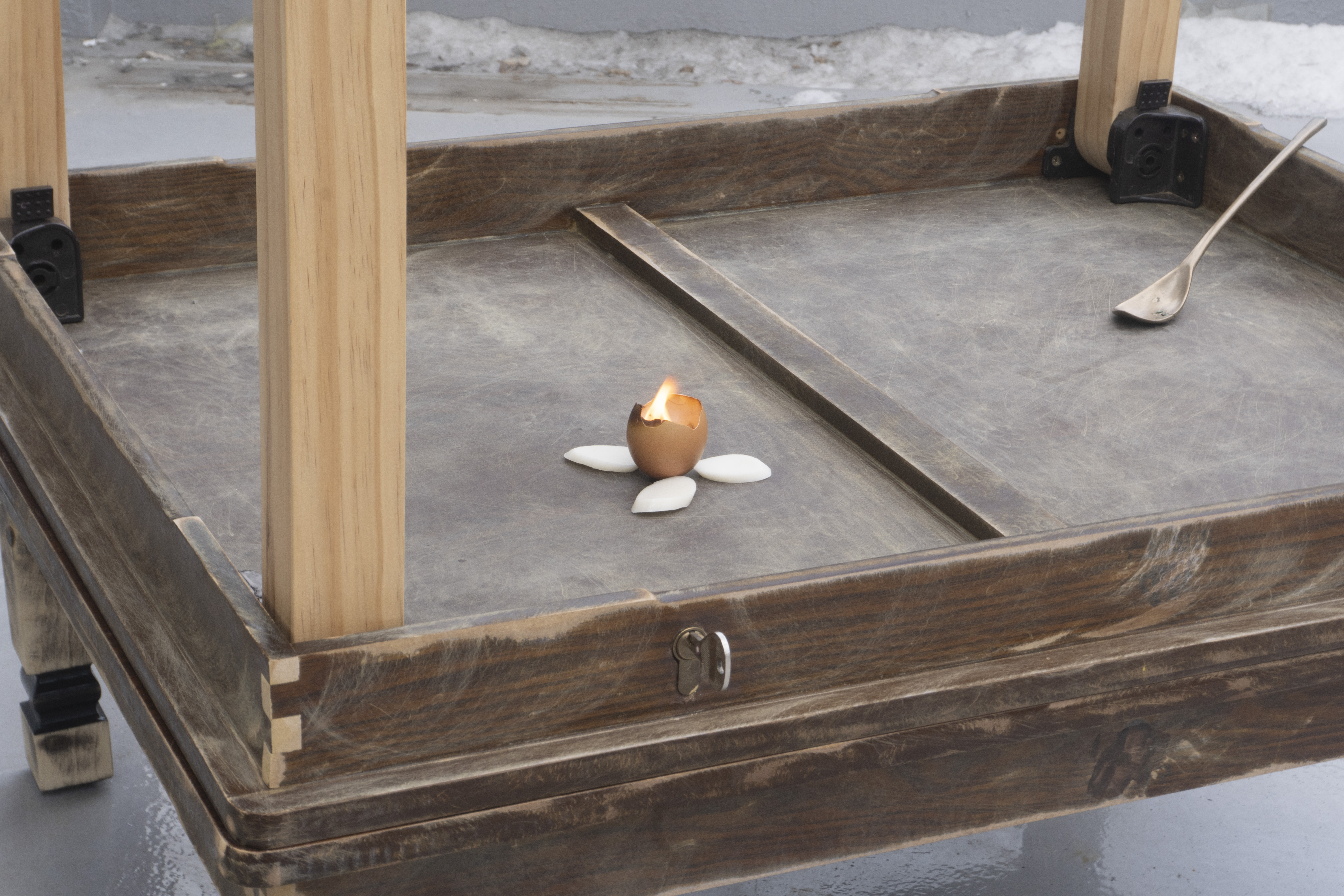
Kay Yoon, Second Stop – Polyphonic Representation, 2024 gyoja table, ritual spoon, key lock and key, 900 x 750 x 2100 mm
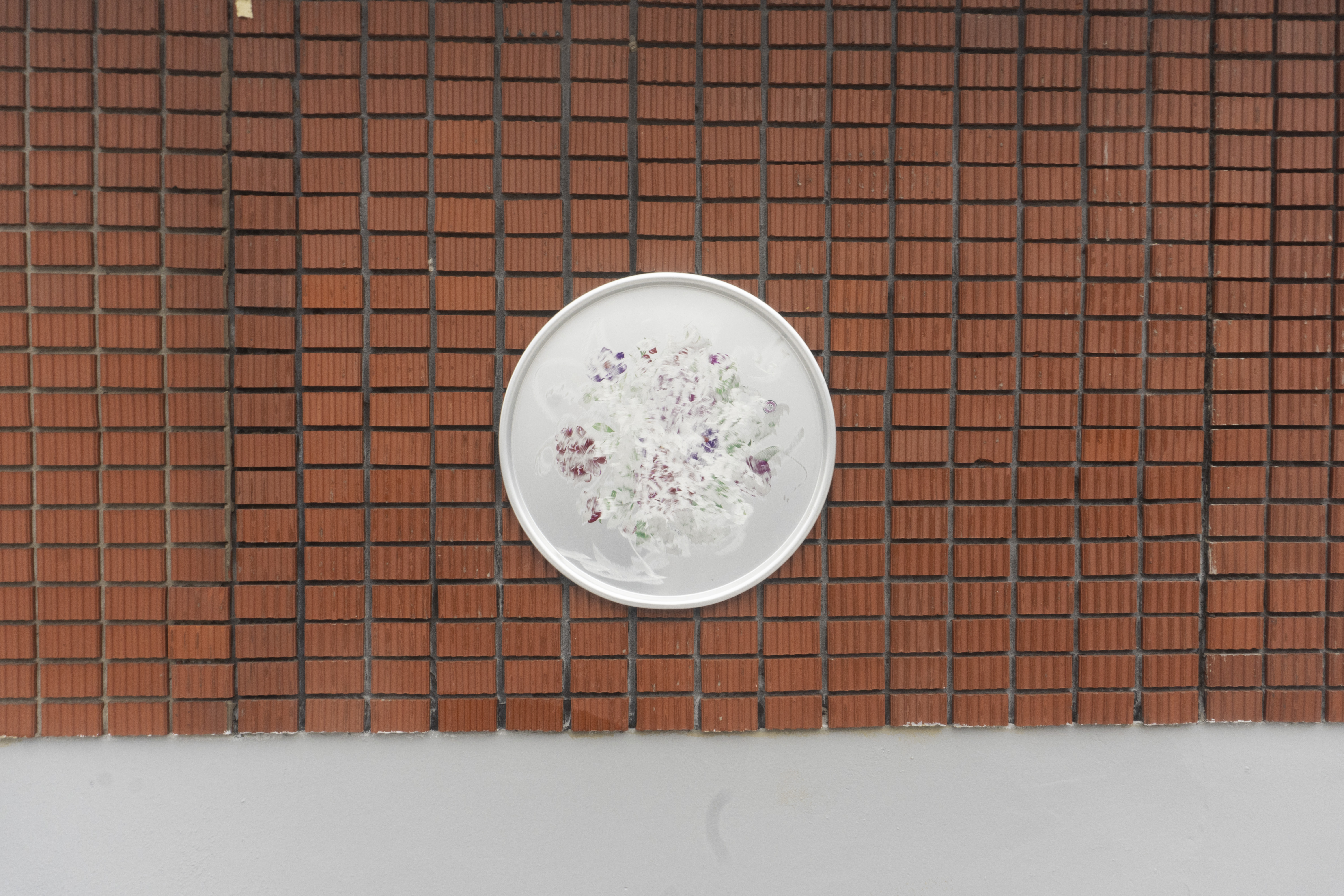
Kay Yoon’s <Plate 2>, 2024, nickel silver, 61,5mm
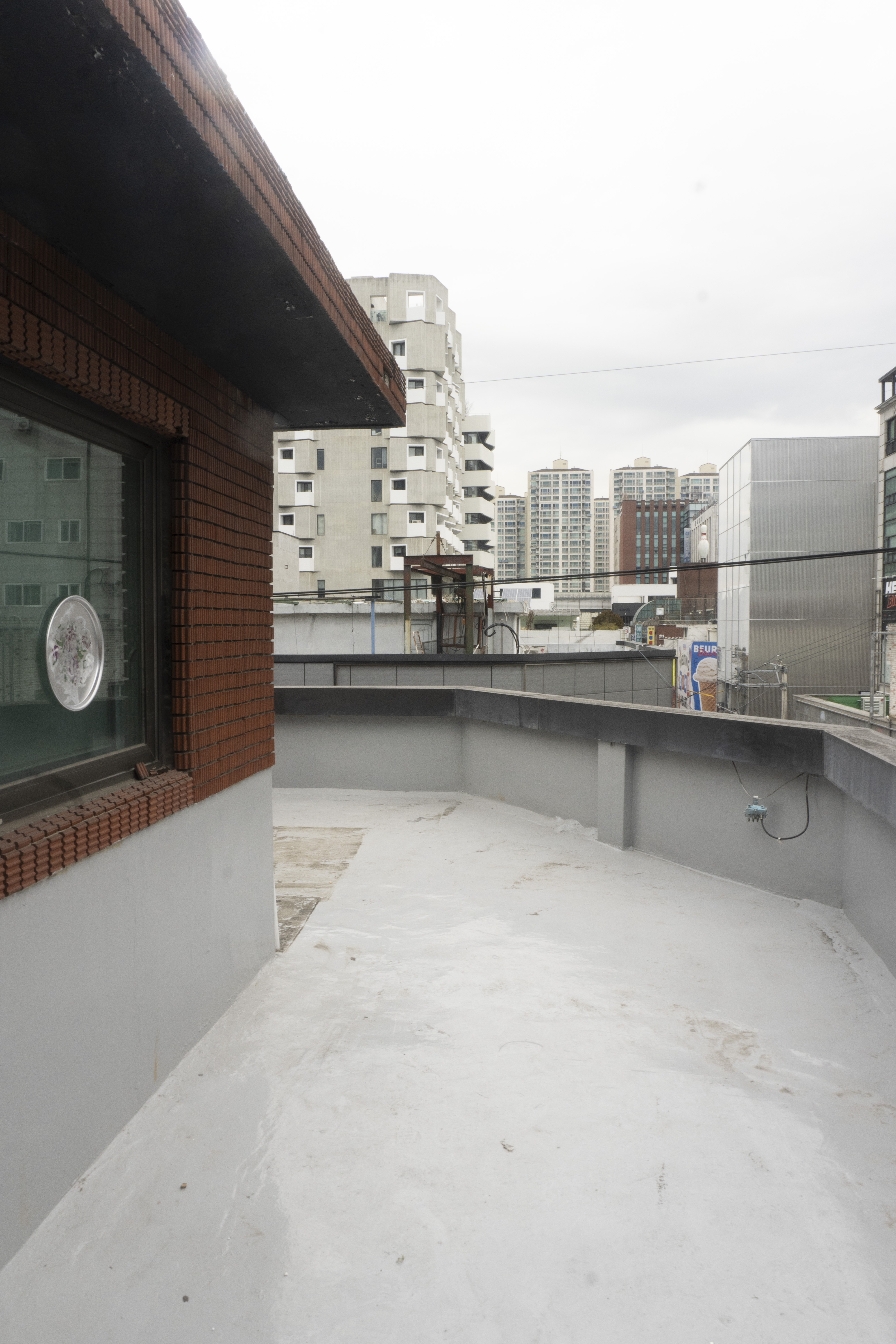
Kay Yoon’s <Plate 1>, 2024, nickel silver, 37,5 mm
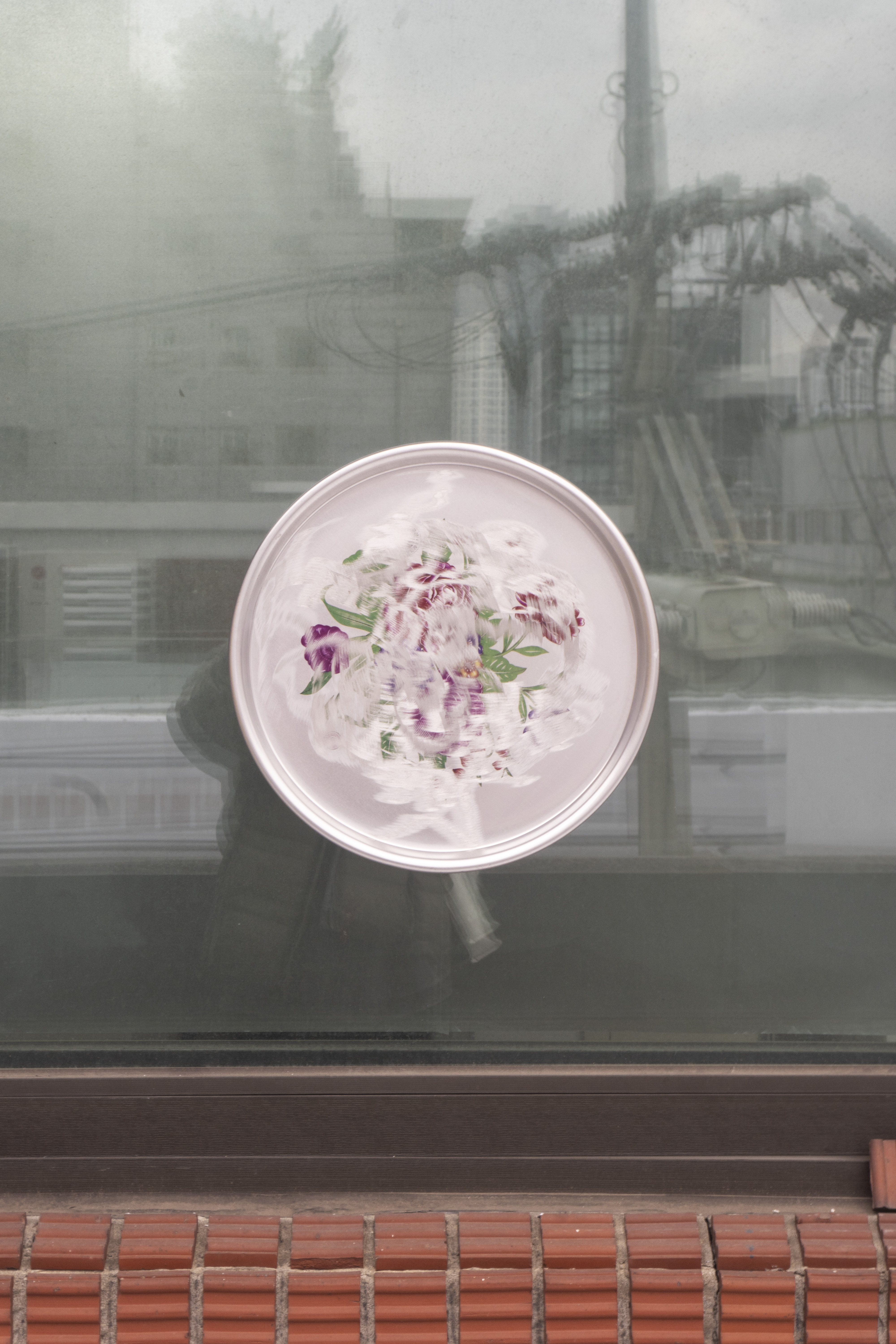
Kay Yoon’s <Plate 1>
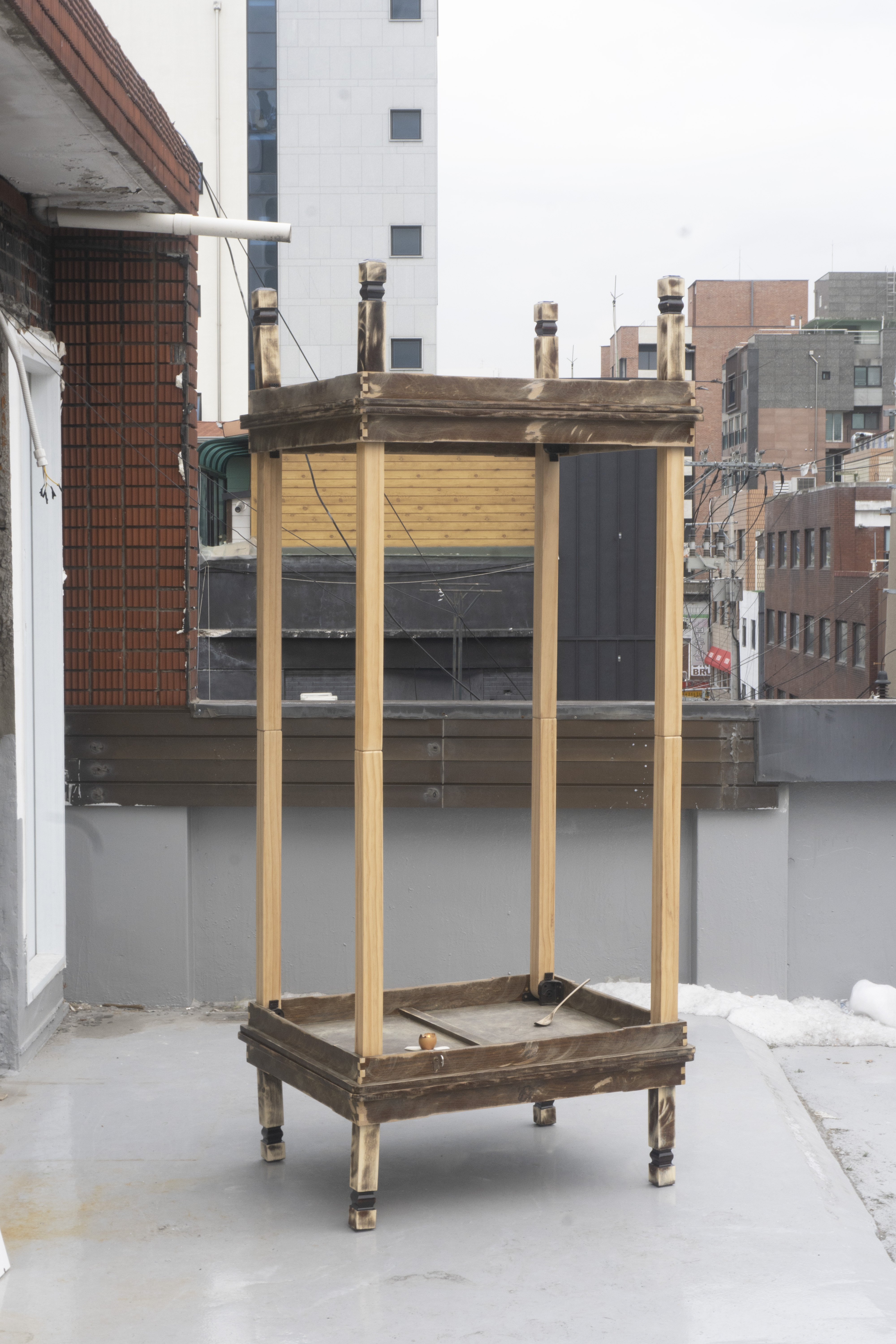
Kay Yoon’s Second Stop – Polyphonic Representation
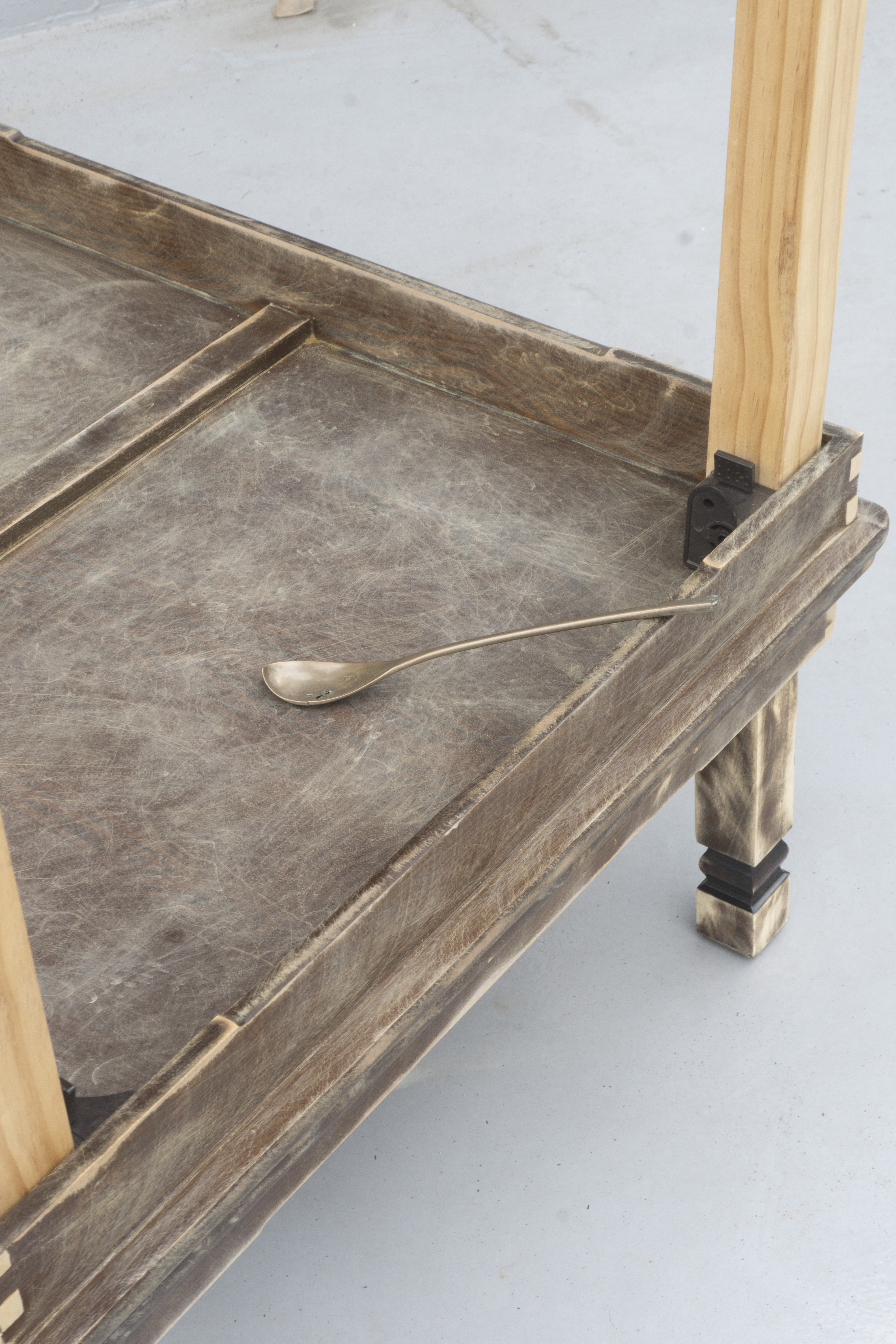
Kay Yoon’s Second Stop – Polyphonic Representation
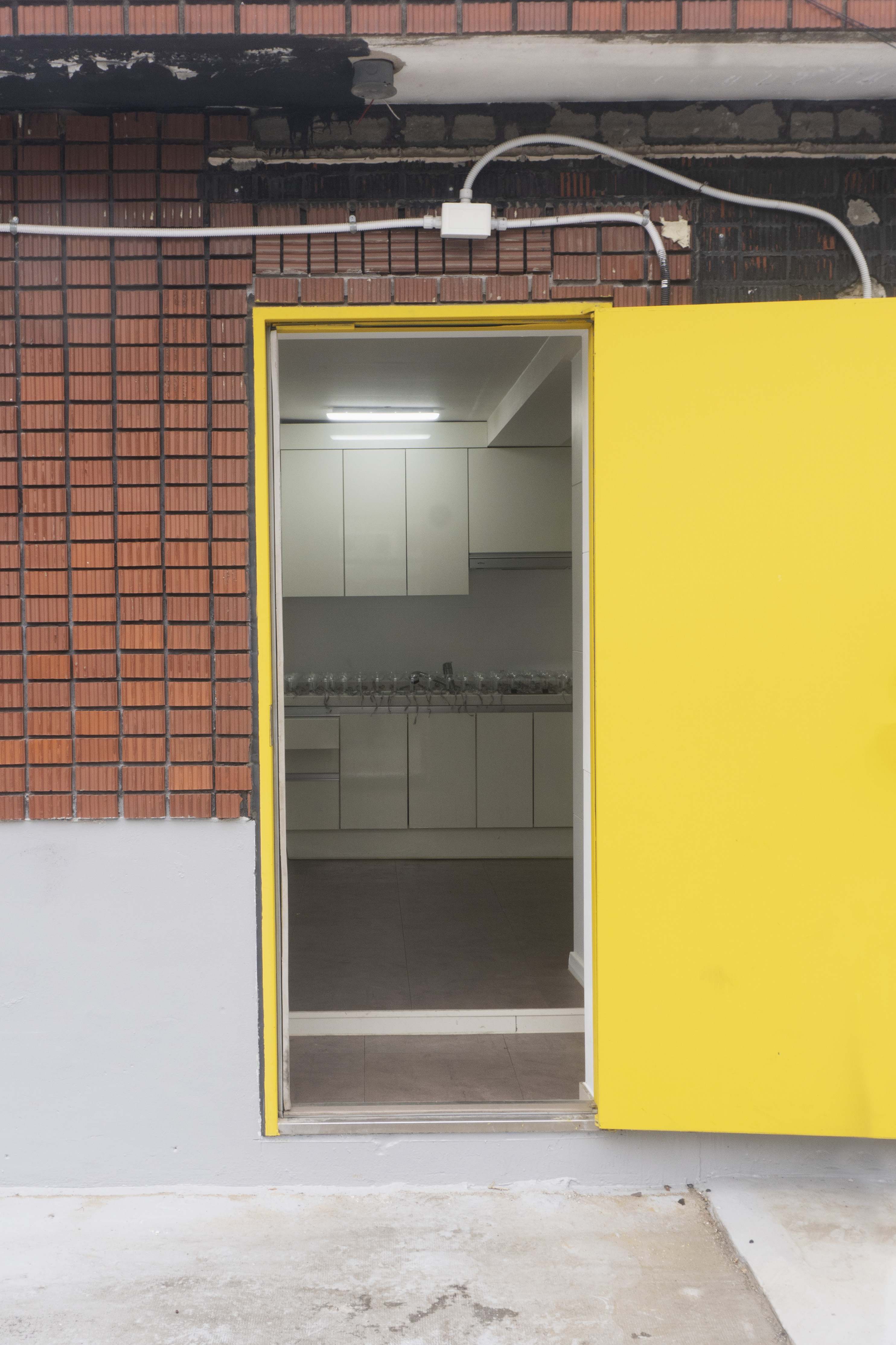
Exhibition View
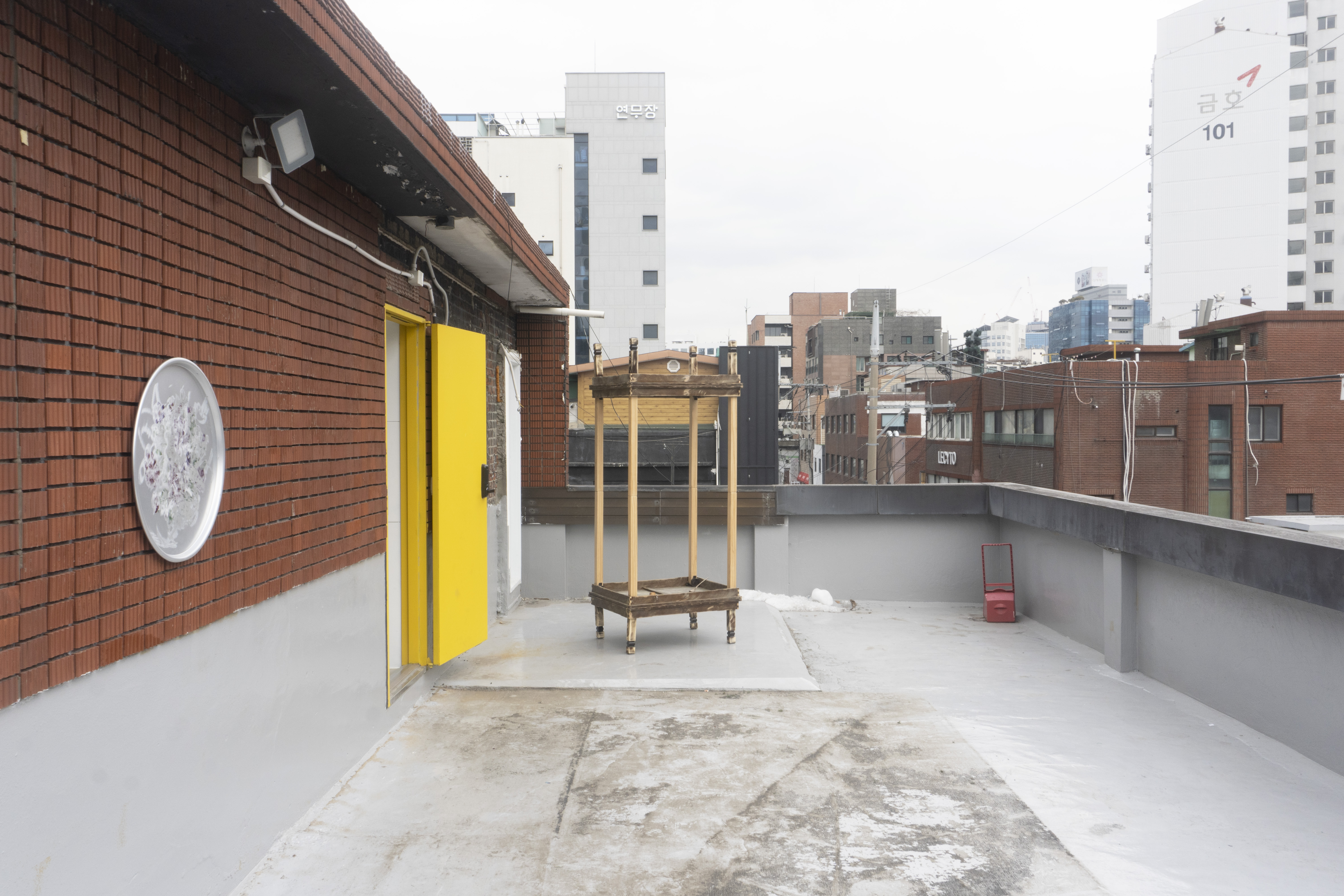
Exhibition View
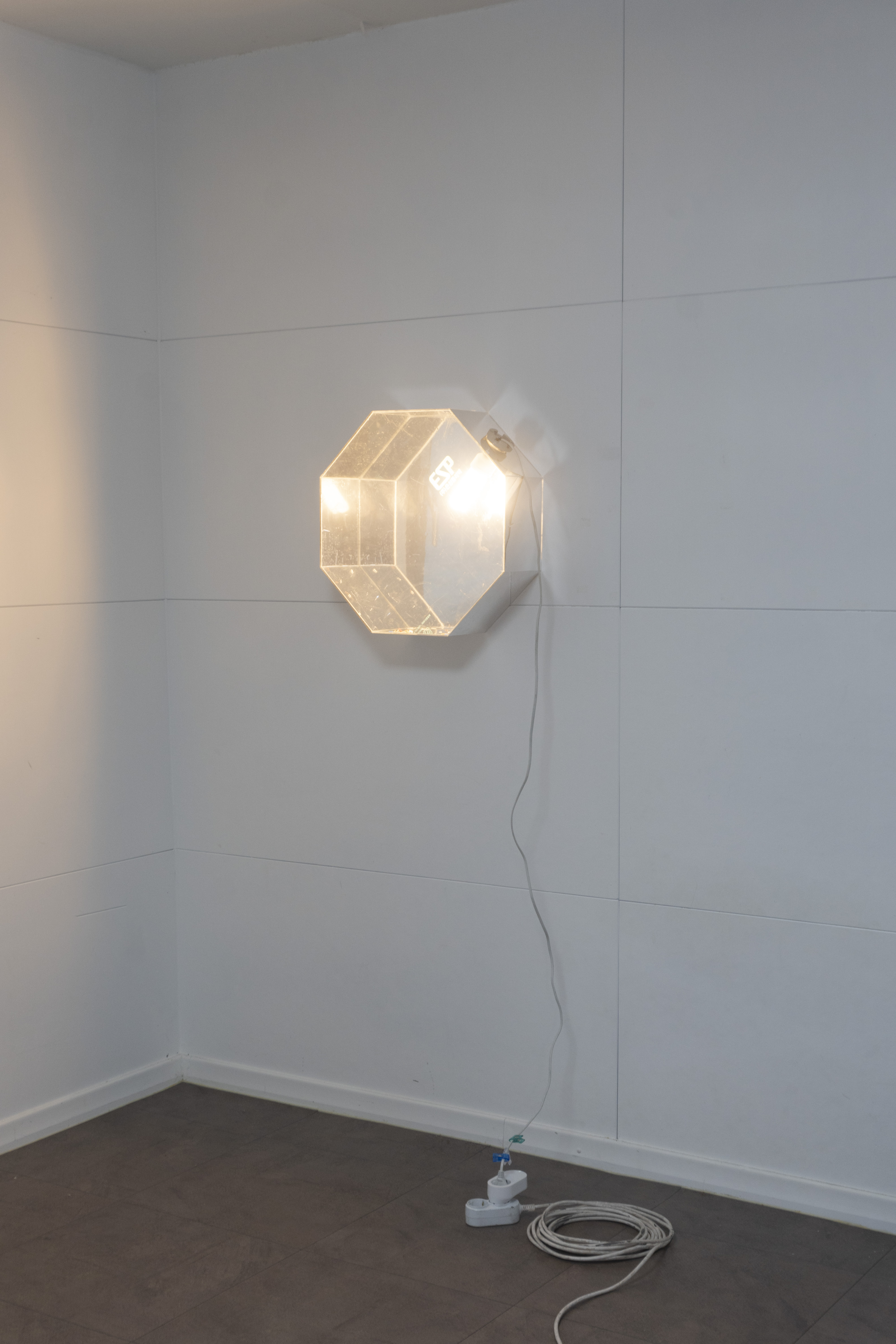
Sebastian Koeck’s untitled
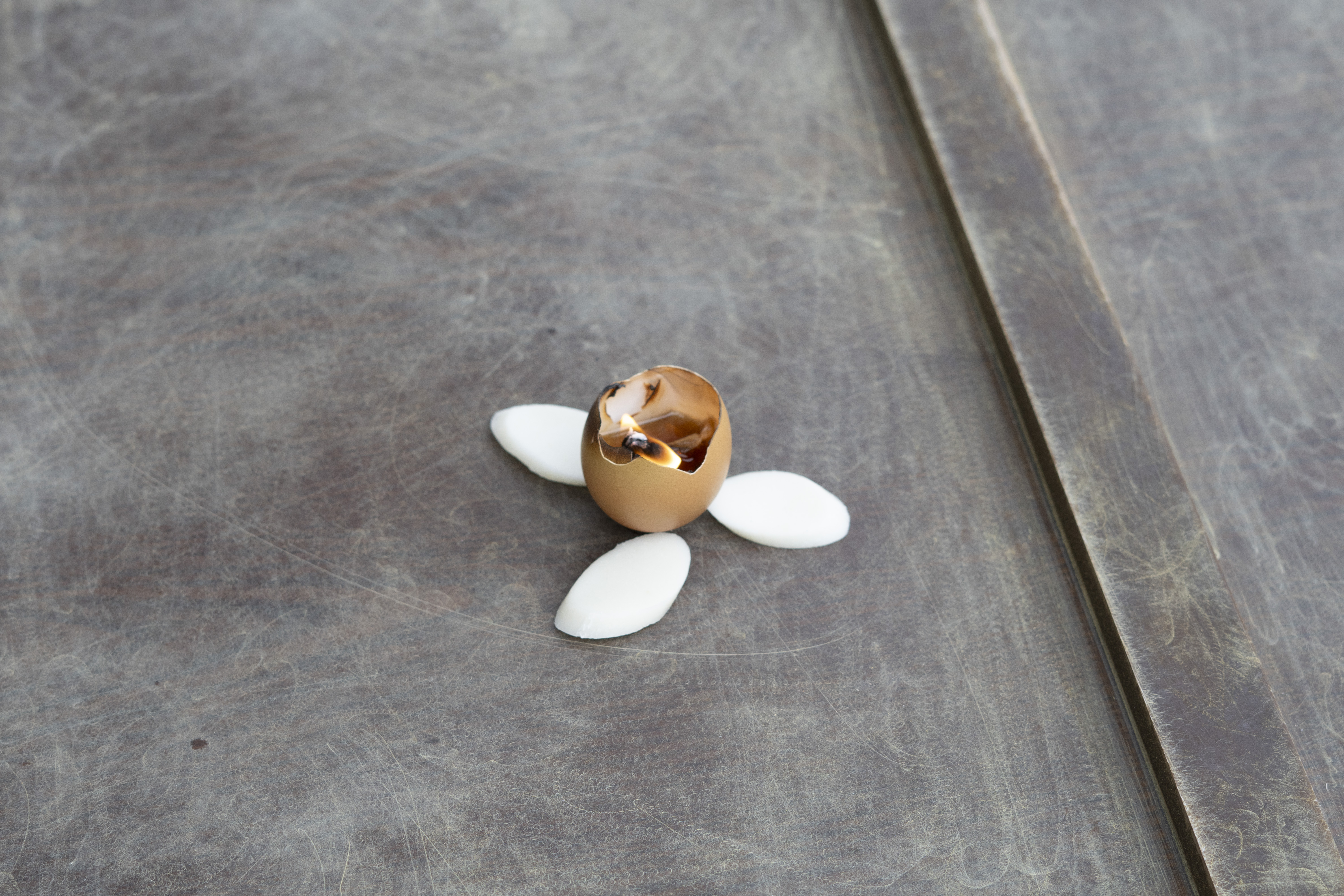
Exhibition View
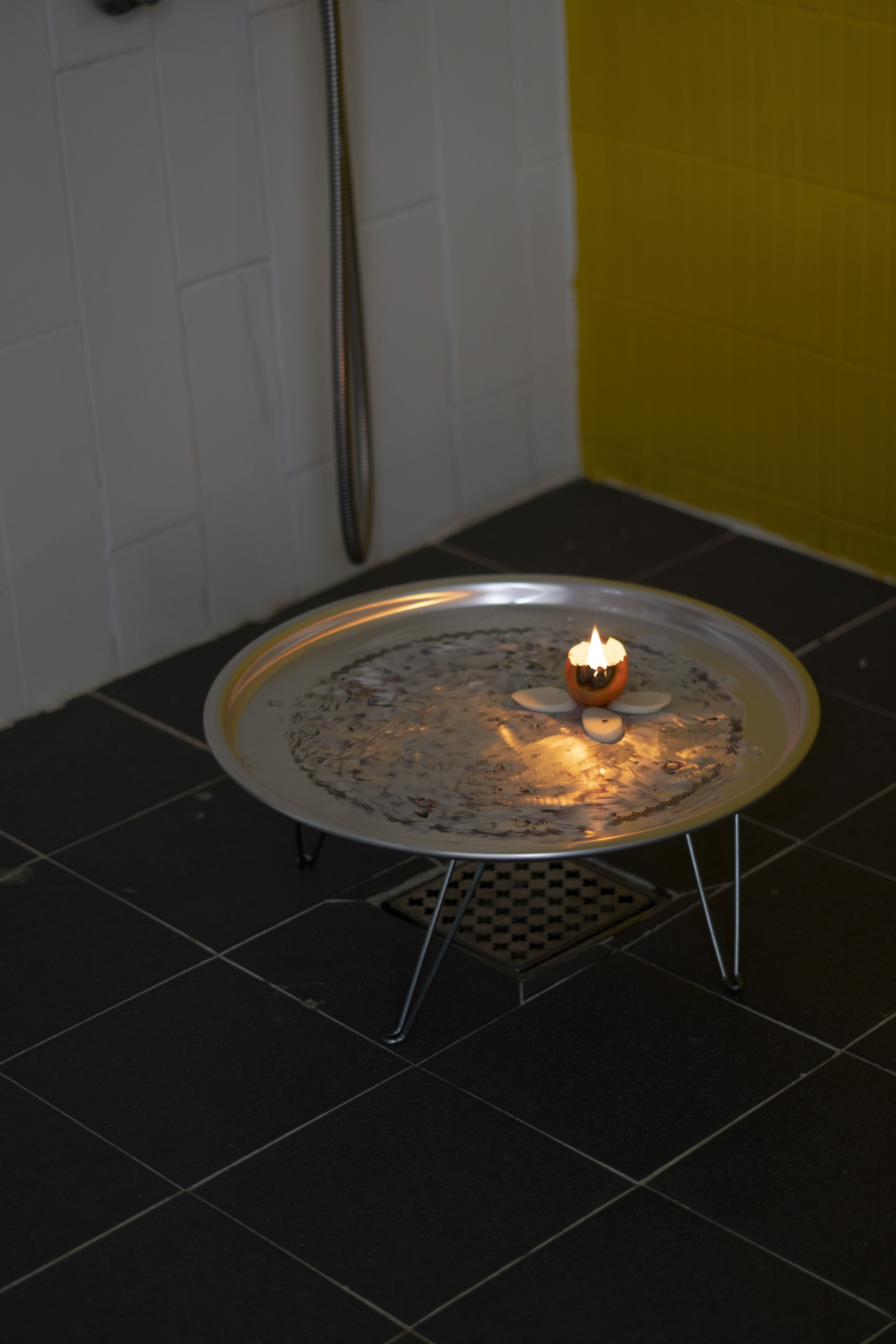
Exhibition View
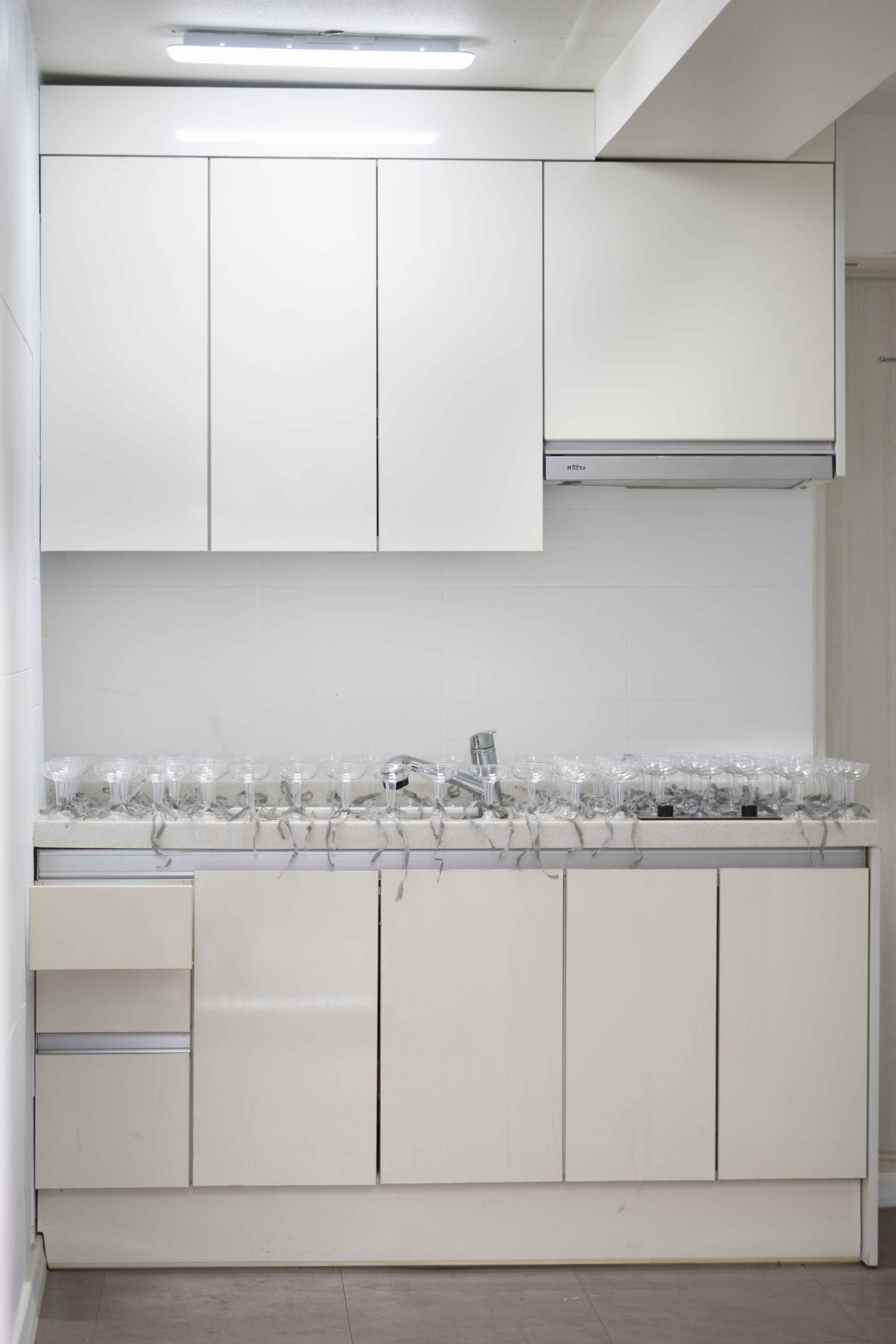
Exhibition View
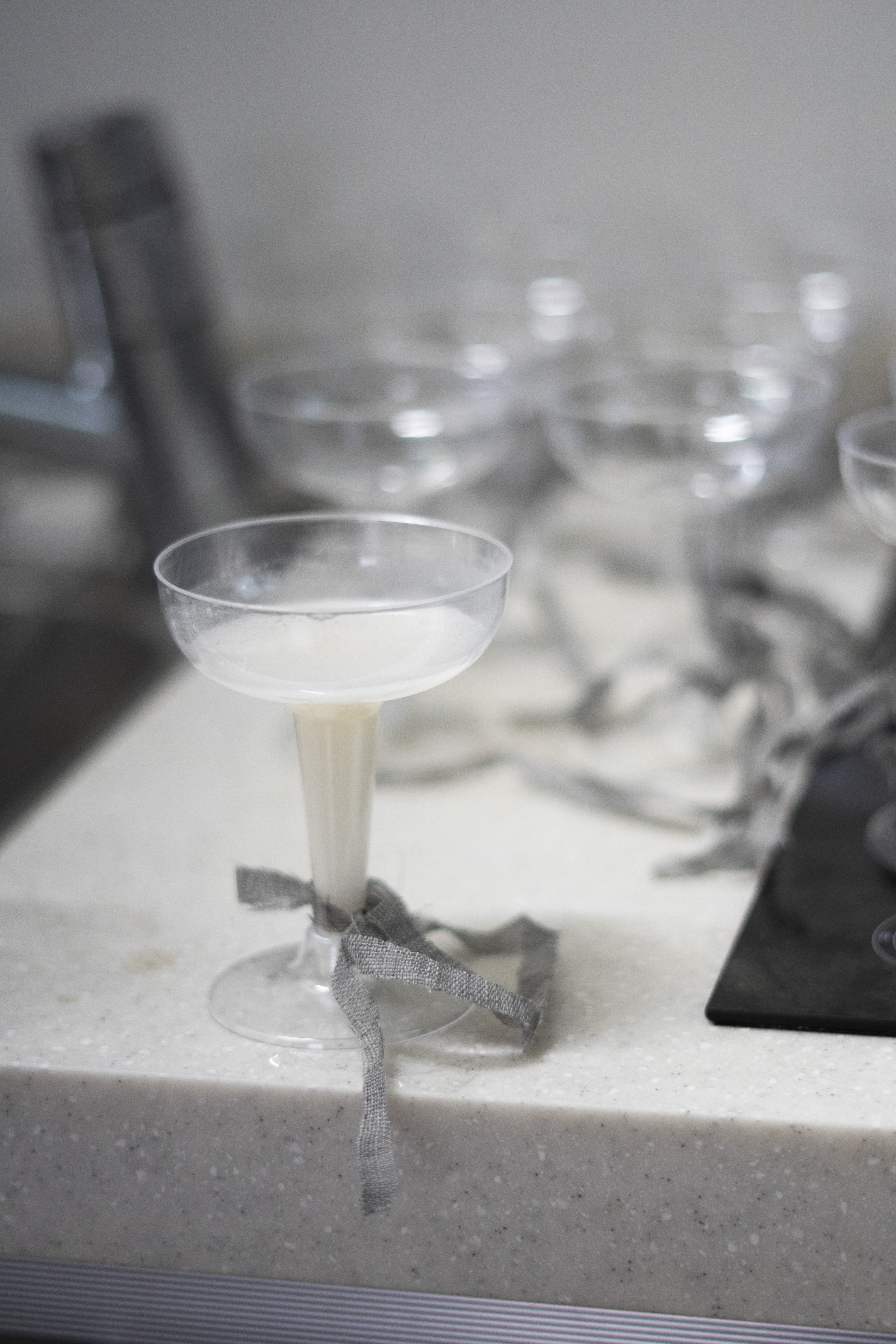
Kay Yoon’s A Glass of Farewell, 2024, makgeolli, plastic glasses with naturally tinted hemp, variable dimension